
Stop making these puzzle game mistakes that keep you stuck. Learn the thinking patterns that separate frustrated players from triumphant solvers.
Puzzle games look simple but hide surprising depth. Many players hit frustrating plateaus not because they lack intelligence, but because they have developed counterproductive habits. Recognizing these common mistakes is the first step toward becoming a better puzzle solver.
Rushing Through Early Levels
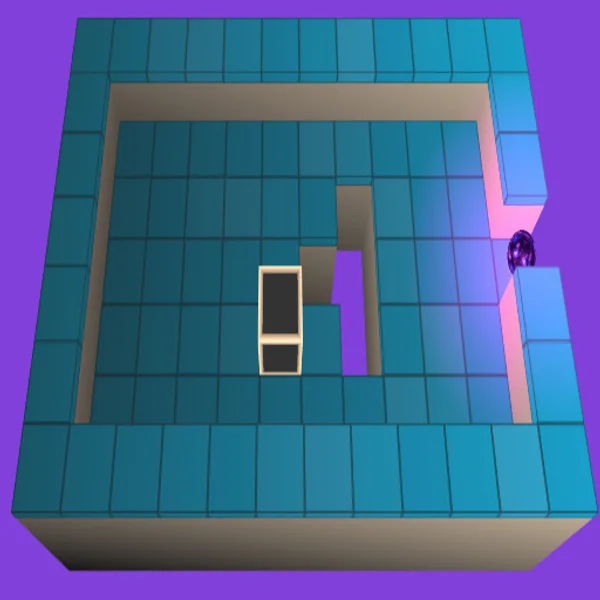
Games like Sokoban 3D teach fundamental puzzle-solving skills
The biggest mistake new players make is treating early levels as obstacles rather than tutorials. Those first puzzles introduce mechanics you will need to master later. Rush through them, and you miss crucial learning opportunities.
In Sokoban 3D, early levels teach you how box-pushing works in three dimensions. Skip the mental practice, and later levels become frustrating rather than challenging.
Not Using the Undo Button
Many puzzle games include undo functionality, yet players often restart entirely when they make mistakes. This wastes time and prevents learning from errors.
When you undo a move, you can see exactly where your logic went wrong. Complete restarts erase that valuable feedback. Use undo liberally—it exists to help you learn, not as a crutch.
Ignoring Patterns
Logic puzzles reward pattern recognition
Every puzzle game has underlying patterns. Electric Logic teaches you to recognize routing shapes that repeat across levels with increasing complexity — the same crossing problem, drawn with more electrodes on the same board.
Instead of solving each puzzle from scratch, look for familiar configurations. Once you recognize a pattern, you can apply solutions you have already discovered.
Tunnel Vision on One Approach
When your first approach fails, do you try the same thing harder, or do you step back and reconsider? Many players fall into the trap of persisting with broken strategies.
If you have tried the same approach three times without progress, stop. The puzzle likely requires a completely different perspective. Take a break, then return with fresh eyes.
Skipping the Tutorial
Experienced puzzle gamers often skip tutorials, assuming they already know how things work. But every game has unique mechanics. What seems familiar might behave differently.
Spend two minutes on the tutorial. It is faster than spending twenty minutes confused about a mechanic the tutorial would have explained.
Playing When Frustrated
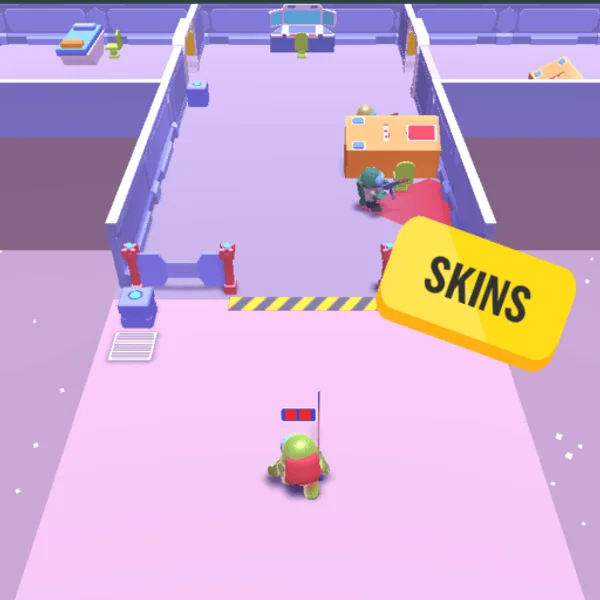
Take breaks when puzzles become frustrating
Frustration destroys puzzle-solving ability. Your brain needs a calm, focused state to recognize patterns and think creatively. Playing angry just deepens frustration.
When you notice frustration building, switch to something else. Many players report solving difficult puzzles immediately after returning from a break. Your subconscious continues working even when you are not actively playing.
Not Experimenting
Some players only make moves they are certain about. This excessive caution prevents discovery. Puzzles are meant to be explored—try things, see what happens, learn from results.
The undo button exists precisely because experimentation is expected. A move that fails teaches you something. A move you never try teaches you nothing.
Better Puzzle-Solving Habits
- Observe Before Acting: Spend time looking at the puzzle before making any moves. What are the constraints? What is the goal?
- Work Backwards: Sometimes starting from the solution and working backwards reveals the path forward.
- Take Notes: For complex puzzles, sketch the layout or write down observations. External memory frees your brain for actual thinking.
- Celebrate Progress: Even partial solutions represent progress. Acknowledge small wins to maintain motivation.
Puzzle games reward patience and reflection. By avoiding these common mistakes, you will find yourself solving puzzles that once seemed impossible—and enjoying the journey much more.
Komentar (0)
Masuk untuk ikut berdiskusi di artikel ini.
Masuk untuk berkomentarBelum ada komentar. Jadilah yang pertama!