Discover puzzle games that challenge your logic, memory, and problem-solving skills. Exercise your brain with these entertaining mental workouts.
Your brain craves challenges. Like any muscle, it grows stronger through exercise, and puzzle games provide the perfect mental gym. These games don't just entertain—they train cognitive skills that transfer to real-life problem-solving. Let's explore the best puzzle games that turn brain training into genuine fun.
Why Puzzle Games Matter for Your Brain
Whether puzzle games make you smarter in general is genuinely disputed — the evidence for that kind of transfer is thin. What is not disputed is that you get better at the thing you practise, and puzzle games ask for active engagement instead of passive attention. Pattern recognition, spatial reasoning and planning all get worked.
The best part? When wrapped in entertaining game mechanics, this brain exercise doesn't feel like work. You're having fun while your mind sharpens itself.
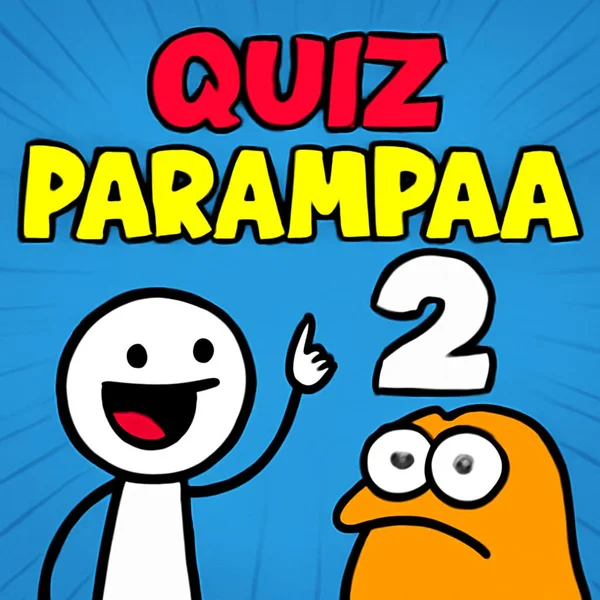
ParamPaa 2 - Quiz Logika Aneh
This legendary quiz game takes a unique approach to mental challenges. Rather than testing pure knowledge, ParamPaa 2 presents questions designed to trick your assumptions. The answers often require thinking outside conventional logic, forcing your brain to break free from automatic thinking patterns.
What makes it special is how it trains you to question everything. Many questions have obvious-seeming answers that turn out to be wrong. This mental flexibility—the ability to abandon your first assumption and consider alternatives—proves valuable far beyond gaming.
Free IQ Test: Left & Right Brain Analysis
Adapted from the self-scoring Cambridge test published by Dan Pape in 1993 and scored against the original tables, this game puts your mental abilities through a timed run. Questions span logical reasoning, pattern recognition, mathematical thinking, and spatial visualization.
Beyond entertainment, it provides insights into how your brain processes different types of information. Understanding whether you lean toward analytical or creative thinking helps you leverage your natural strengths while identifying areas for improvement.
Electric Logic

Electric Logic is built on two rules: opposite charges must be joined, positive to negative, and no two connection lines may cross. Pairing the charges up is usually obvious; routing every line so they all fit on the same board without overlapping is not.
What makes it more than a matching exercise is that order and route have to be solved together. A pairing that looks correct often has to be abandoned because its path blocks two others, so the connection worth drawing first is the one with the fewest possible paths.
Sokoban 3D: Magic Box Puzzle
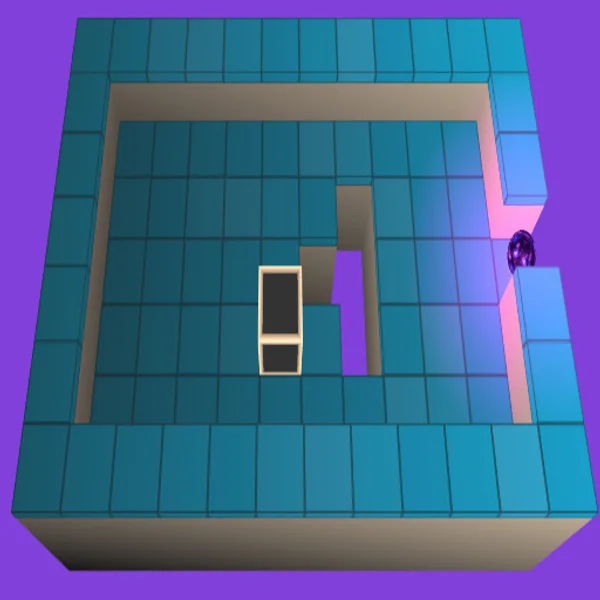
Sokoban puzzles have challenged minds since 1981, and this 3D adaptation brings the classic formula into modern gaming. Your task seems simple: push boxes onto target locations. The catch? You can only push, never pull, and boxes can trap each other in unsolvable positions.
This game excels at training forward-thinking. Every move must consider future consequences, building the kind of planning skills valuable in chess, strategy games, and real-life decision-making.
Smart Quiz: Tes Cerdas Cermat Indonesia
While many puzzle games focus on logic, this quiz game trains memory and knowledge recall. Quick thinking under time pressure exercises different cognitive functions than leisurely puzzle-solving.
The varied question categories prevent your brain from settling into comfortable patterns. One moment you're recalling geography, the next you're solving math problems. This constant context-switching strengthens mental agility.
Tips for Effective Brain Training
To get the most out of puzzle games, these approaches tend to work:
Variety Matters: Different puzzles train different skills. Rotate between logic puzzles, spatial challenges, memory games, and quick-thinking quizzes for comprehensive brain exercise.
Challenge Yourself: Puzzles that feel slightly too difficult provide better training than easy ones you can solve automatically. Embrace the productive struggle.
Consistency Over Intensity: Twenty minutes of daily puzzle-solving benefits your brain more than occasional marathon sessions. Build a sustainable habit.
Take Breaks: When stuck, stepping away often leads to breakthrough insights. Your brain continues processing problems subconsciously.
Puzzle games are entertainment first, and they happen to reward the habits that make you better at them: reading a board before touching it, planning several moves ahead, and knowing when to walk away. That is worth something on its own, whatever the wider research eventually settles on.
Komentar (0)
Masuk untuk ikut berdiskusi di artikel ini.
Masuk untuk berkomentarBelum ada komentar. Jadilah yang pertama!